When improving a room, repairing damaged walls or preparing a property for decorating, one common question is whether you need skimming or plasterboarding. Both are important plastering methods, but they are used for different situations. Choosing the right option depends on the condition of your walls, the type of finish you want, and how much repair work is needed before decorating.
At Plasterfix, we help homeowners, landlords and businesses choose the most suitable plastering solution for their property. Whether you are dealing with cracked walls, tired plaster, old textured ceilings or a room renovation, understanding the difference between skimming and plasterboarding can help you make the right decision.
Skimming is the process of applying a thin finishing coat of plaster over an existing wall or ceiling. It is usually carried out when the surface is generally sound but looks tired, uneven or damaged on the surface.
A skim coat creates a smooth finish that is ready for painting or wallpapering once fully dry. It is commonly used to refresh older walls, cover minor imperfections, or modernise a room before decorating.
Skimming is often suitable when:
Your existing plaster is still secure
The wall has small cracks or surface marks
You want a smoother finish before painting
The room looks dated or uneven
You are covering old plaster that is still in reasonable condition
You want to improve the final decorating result
For many homeowners, skimming is a cost-effective way to transform a room without removing the existing wall surface.
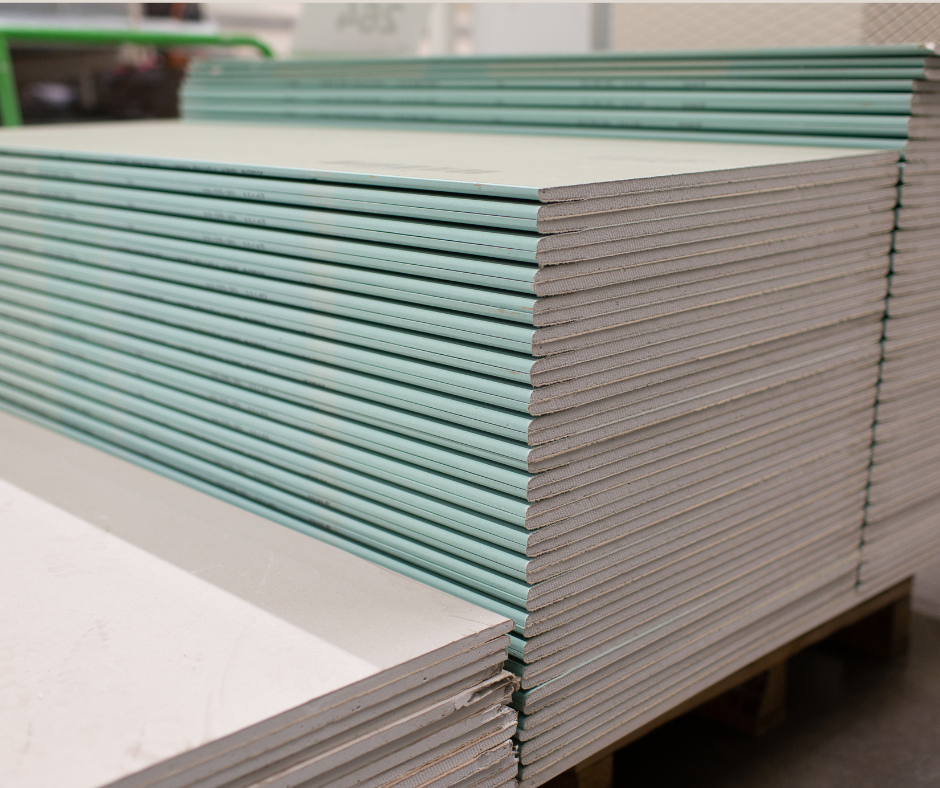
Plasterboarding involves fitting plasterboard sheets to walls or ceilings before applying a plaster finish. This method is often used when the existing surface is too damaged, uneven or unsuitable for skimming alone.
Plasterboarding is common in renovations, extensions, garage conversions, loft conversions and rooms where new stud walls have been built. It is also useful when walls need to be straightened, insulated or completely renewed.
Plasterboarding may be the better option when:
The existing plaster is badly damaged
The wall surface is loose, blown or crumbling
You are creating a new wall or ceiling
The room is being renovated or converted
The surface is too uneven to skim properly
You need a stronger, cleaner base before plastering
You want to cover old surfaces rather than patch them repeatedly
Once plasterboard is installed, it is usually skimmed to create a smooth, professional finish.
The main difference is that skimming improves the surface you already have, while plasterboarding creates a new surface to work from.
Skimming is a finishing process. It is ideal when the existing wall or ceiling is solid but needs smoothing.
Plasterboarding is more of a preparation and construction process. It is used when the existing surface is not suitable or when a new wall or ceiling is being created.
In simple terms:
Skimming refreshes a wall.
Plasterboarding rebuilds or replaces the surface.
Both can achieve an excellent finish, but only if the correct method is chosen for the condition of the room.
Both skimming and plasterboarding can provide a smooth, high-quality finish when carried out properly. The best result depends on the preparation underneath.
If your walls are in good condition, skimming can leave them looking clean, modern and ready for decorating. However, if the existing plaster is loose, badly cracked or uneven, skimming over it may only hide the problem temporarily.
In those cases, plasterboarding may be the better long-term solution. It gives the plasterer a fresh, stable base to work from, which can improve the overall finish and reduce the risk of problems showing through later.
A professional plasterer will assess the wall first and advise whether skimming is enough or whether plasterboarding would be more suitable.
In many cases, skimming is usually cheaper than plasterboarding because it involves less material and less preparation work. If the existing walls are suitable, skimming can be a practical and affordable way to improve a room.
Plasterboarding often costs more because it involves fitting new boards, securing them correctly, preparing joints and then finishing the surface. However, it can be better value in the long run if the existing plaster is in poor condition.
Choosing the cheapest option is not always the best decision. If a wall really needs plasterboarding, skimming over it may lead to further cracking, uneven finishes or additional repair work later.
Skimming is often the right choice if your walls or ceilings are structurally sound but need a fresh finish. It is ideal before redecorating, especially if paint or wallpaper would show up imperfections.
You may choose skimming if you are:
Redecorating a bedroom, lounge or hallway
Refreshing an older property
Covering minor cracks and marks
Improving the finish before painting
Modernising tired walls or ceilings
Preparing a property for sale or rental
Skimming can make a room feel cleaner, brighter and much more modern without the need for major building work.
Plasterboarding is usually better when the existing wall or ceiling is too damaged to repair properly with a skim coat alone. It is also the standard option for many renovation projects where new walls, ceilings or partitions are being created.
You may need plasterboarding if you are:
Renovating a damaged room
Creating a new stud wall
Converting a garage, loft or outbuilding
Repairing badly damaged ceilings
Covering very uneven surfaces
Dealing with blown or crumbling plaster
Improving the structure before skimming
Plasterboarding gives the room a fresh base and can help create a cleaner, straighter and more reliable finish.
Yes. In fact, plasterboard is commonly skimmed after installation. The plasterboard provides the flat base, and the skim coat creates the smooth final surface ready for decorating.
This combination is often used in new builds, extensions, conversions and renovation work. It gives a clean finish and allows paint or wallpaper to sit properly once the plaster has dried.
Both skimming and plasterboarding can be used on ceilings. If the ceiling is secure but looks dated, uneven or has an old textured finish, skimming may be enough. If the ceiling is damaged, sagging or unsuitable, plasterboarding may be required before plastering.
Old Artex or textured ceilings are a common reason homeowners contact a plasterer. In some cases, these can be skimmed over with the right preparation. In other cases, overboarding may be recommended to create a better base.
There is no single answer that suits every property. Skimming is best when the existing plaster is solid and only needs a smooth new finish. Plasterboarding is best when the wall or ceiling needs a new surface before it can be properly finished.
The right choice depends on:
The condition of the existing plaster
How uneven the wall or ceiling is
Whether there are cracks or loose areas
The age and condition of the property
Your decorating plans
Your budget
The long-term result you want
A professional inspection is the best way to decide.
If you are unsure whether your walls need skimming or plasterboarding, Plasterfix can help. We provide professional plastering services for homeowners, landlords and businesses, helping you get the right finish for your property.
Whether you need a room skimmed, damaged plaster repaired, ceilings refreshed or plasterboard fitted as part of a renovation, we can advise on the best option and provide a clean, reliable finish.
Contact Plasterfix today for friendly advice and a quote for your next plastering project.